 Independent index
On this page
- Confirm identity before quality
- Read the standard views systematically
- Measurements beat labels for fit
- Choose approve, question or return
- Keep a reusable category checklist
- Do not confuse shopping-agent QC with forwarding
- Treat 1688 orders as a separate inspection case
- Set a time-bound decision routine
- Use a category matrix instead of one generic score
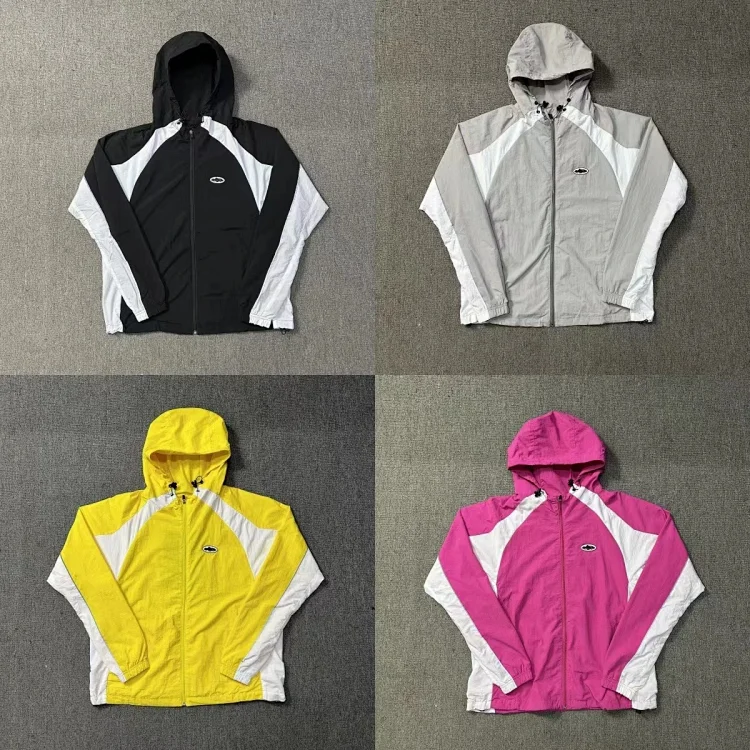
Confirm identity before quality
The most expensive QC mistake is evaluating a well-made item that is still the wrong product. Begin by matching the order name, color, size label, quantity and included pieces. For a set, confirm every component. For products with many options, compare the warehouse label and appearance with the exact option captured at checkout.
Only after identity is confirmed should you judge construction and cosmetic details. This sequence keeps the process objective and prevents a small visual detail from distracting you from a wrong size or missing component.
- Correct product or model
- Correct color and selected option
- Correct size label and quantity
- All included pieces present
Read the standard views systematically
Use the front, back and side views to evaluate overall shape, symmetry and color consistency. Then move to close-ups for seams, printing, embroidery, hardware, closures, edges and other high-risk details. Warehouse lighting may change how colors appear, so compare across several images rather than judging one bright or shadowed frame.
Look for damage that may worsen during shipping: open seams, cracked surfaces, loose hardware, stains, crushed structure or missing protective pieces. Separate a photographic limitation from a product defect. If focus, angle or packaging hides the answer, request clarification instead of guessing.
Measurements beat labels for fit
A size label is not a universal measurement. When fit matters, compare warehouse ruler photos with a garment you already own. Use the same measurement method and account for how the item is laid out. Chest width, total length, waist, inseam and footwear insole length are common decision points, but the useful dimensions depend on the product.
Record your acceptable tolerance before seeing the photos. That prevents changing the standard simply because you like the item. If a critical measurement is absent, use the available detailed-photo or measurement service before the return window closes.
Choose approve, question or return
Approve when the correct item is present, the measurements work and visible differences fall within your acceptable range. Ask a question when evidence is incomplete or ambiguous. Consider the applicable return or after-sales process when the product is wrong, materially damaged or outside your pre-defined tolerance.
Do not use QC to seek perfection from every low-resolution image. Use it to detect decision-changing problems before international shipping. Once a parcel leaves the warehouse, corrections become slower and more expensive.
Keep a reusable category checklist
Different categories fail in different ways. Shoes may require shape, pair symmetry, outsole and insole checks. Hoodies may require measurements, print placement and zipper checks. Bags may require handles, closures, lining and hardware. Electronics require special attention to configuration, compatibility and shipping restrictions.
Store a short checklist next to each category in your spreadsheet. Over time, this becomes more valuable than a generic quality score because it directs attention to the parts that actually change the decision.
Do not confuse shopping-agent QC with forwarding
Superbuy’s current forwarding guide says forwarded parcels are checked for restricted items by default, with no counting or professional quality inspection. Users who need quantity, color, size or similar details verified are instructed to select an inspection check when submitting the forwarding order. This is materially different from assuming every parcel entering the warehouse receives the same shopping-agent inspection.
Record which service path you used. If Superbuy purchased the item as your shopping agent, review the warehouse record and the standard photographs associated with that order. If you purchased the item yourself and sent it to the warehouse, confirm which inspection service was selected and what it covers. A QC checklist is only meaningful when the evidence was actually collected.
Treat 1688 orders as a separate inspection case
The official User Guidance explicitly notes that products purchased from 1688 have different quality-control standards. Superbuy’s 1688 page describes a sampling inspection for eligible seller types: 5% of the quantity for each single SKU, with a stated minimum sample of five and maximum of twenty, and a whole batch classified as flawed when the sampled defect rate reaches 90% or more. Those details matter for wholesale quantities but do not mean every unit is individually inspected.
The same 1688 guidance says after-sales outcomes depend on the seller’s applicable guarantees and that users may bear shipping costs for a return or exchange. Before placing a wholesale order, define the sample size you are comfortable with, identify critical defects and understand the seller’s guarantee marks. A spreadsheet row should flag wholesale logic rather than presenting a bulk listing like a normal one-piece retail item.
Set a time-bound decision routine
Warehouse evidence loses value if it is reviewed casually and the applicable seller window closes. Check stored items soon after they appear, compare them with the original order and keep questions specific. Instead of asking ‘Is this good?’, ask for the missing measurement, a closer view of a damaged corner, confirmation of the quantity, or clarification of a label. Concrete questions are easier to answer and easier to evaluate.
If the photographs show a decision-changing problem, do not submit the item in an international parcel while hoping it will look different later. Once overseas shipping begins, correction becomes slower and may be impossible under the original seller’s process. The warehouse is valuable because it creates a final evidence checkpoint before that irreversible step.
Use a category matrix instead of one generic score
For shoes, start with the pair: same model, same size labels, left-right symmetry, sole attachment, heel shape and visible marks. Request insole or outsole measurements when fit depends on them. For hoodies, shirts and trousers, compare chest, length, waist or inseam with a garment that already fits, then review print position, embroidery, zipper function and seam continuity. A five-star visual score hides these category-specific decisions.
For bags and accessories, confirm dimensions, included straps or dust bags, closures, hardware alignment, edges and interior condition. For fragile home goods, look for cracks, chips and protective packaging before parcel submission. For electronics, check model, plug, voltage, capacity and included accessories, but remember that a photograph cannot verify long-term performance. Batteries and electrical classifications may also restrict international routes.
Write the matrix before seeing the warehouse photographs. Predefined criteria reduce confirmation bias: shoppers are less likely to excuse a wrong measurement simply because they like the item. Mark each criterion as confirmed, uncertain or failed, then choose approve, ask or after-sales. This produces a transparent decision that can be repeated across future orders.
- Shoes: size evidence, symmetry, soles and glue
- Clothing: measurements, construction and print alignment
- Bags: dimensions, closures, hardware and included pieces
- Electronics: model, configuration, accessories and route limits